Step 1
The material
Why a carton is high-grade pulp and not paper, shown with the cartons themselves.
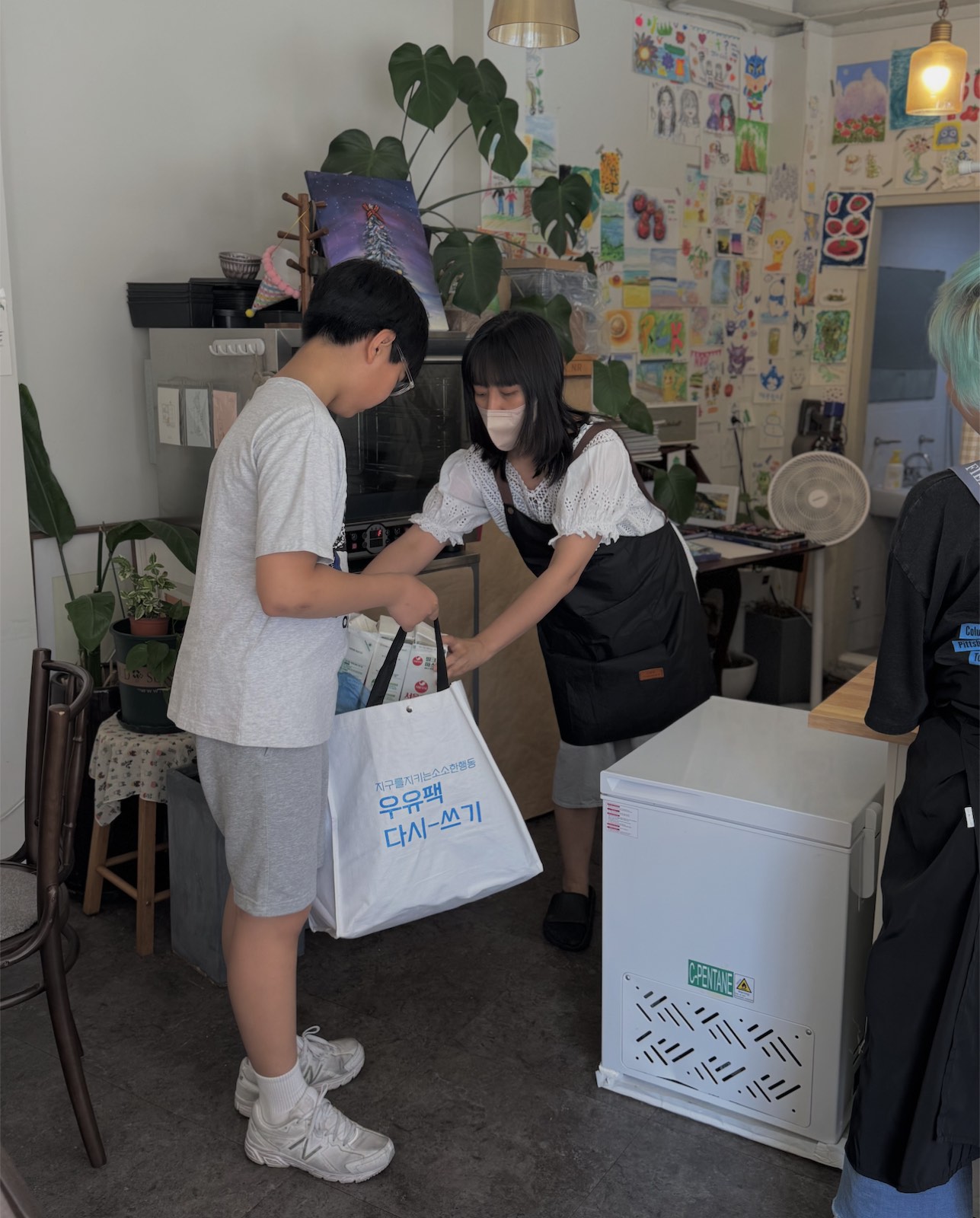
We run workshops built around the cartons we collect.
A carton thrown out with ordinary paper cannot be recycled, and that instruction rarely reaches the person holding it.
Of cartons recycled in Korea
14%
Cartons are made from top-grade pulp, yet Korea recycles only 14% of them; raising that by just 1% would cut about 1,500 tons of carbon a year.
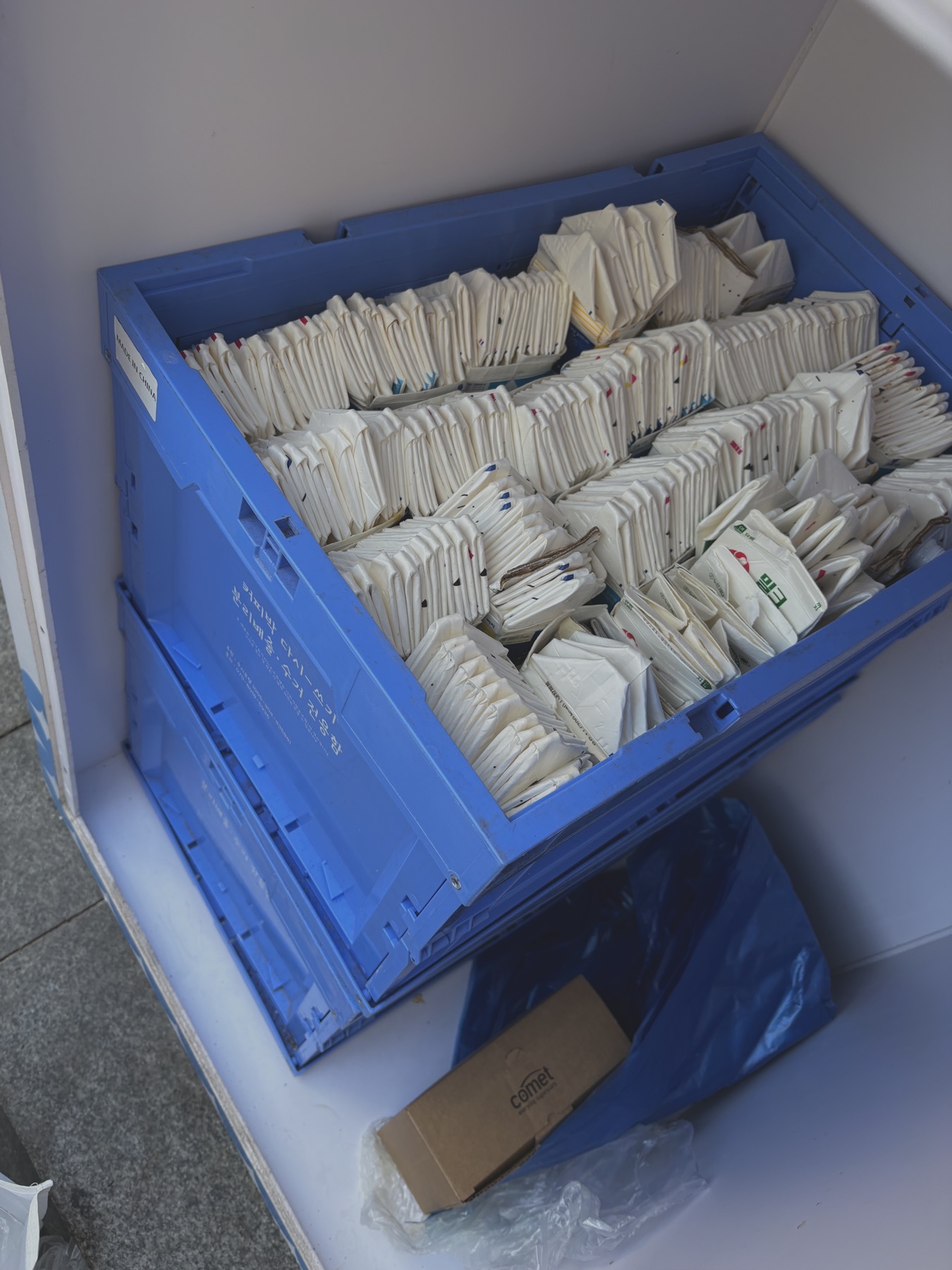
Separation is decided by the person holding the carton. Education is the part of the problem that collection alone cannot solve.
Step 1
Why a carton is high-grade pulp and not paper, shown with the cartons themselves.
Step 2
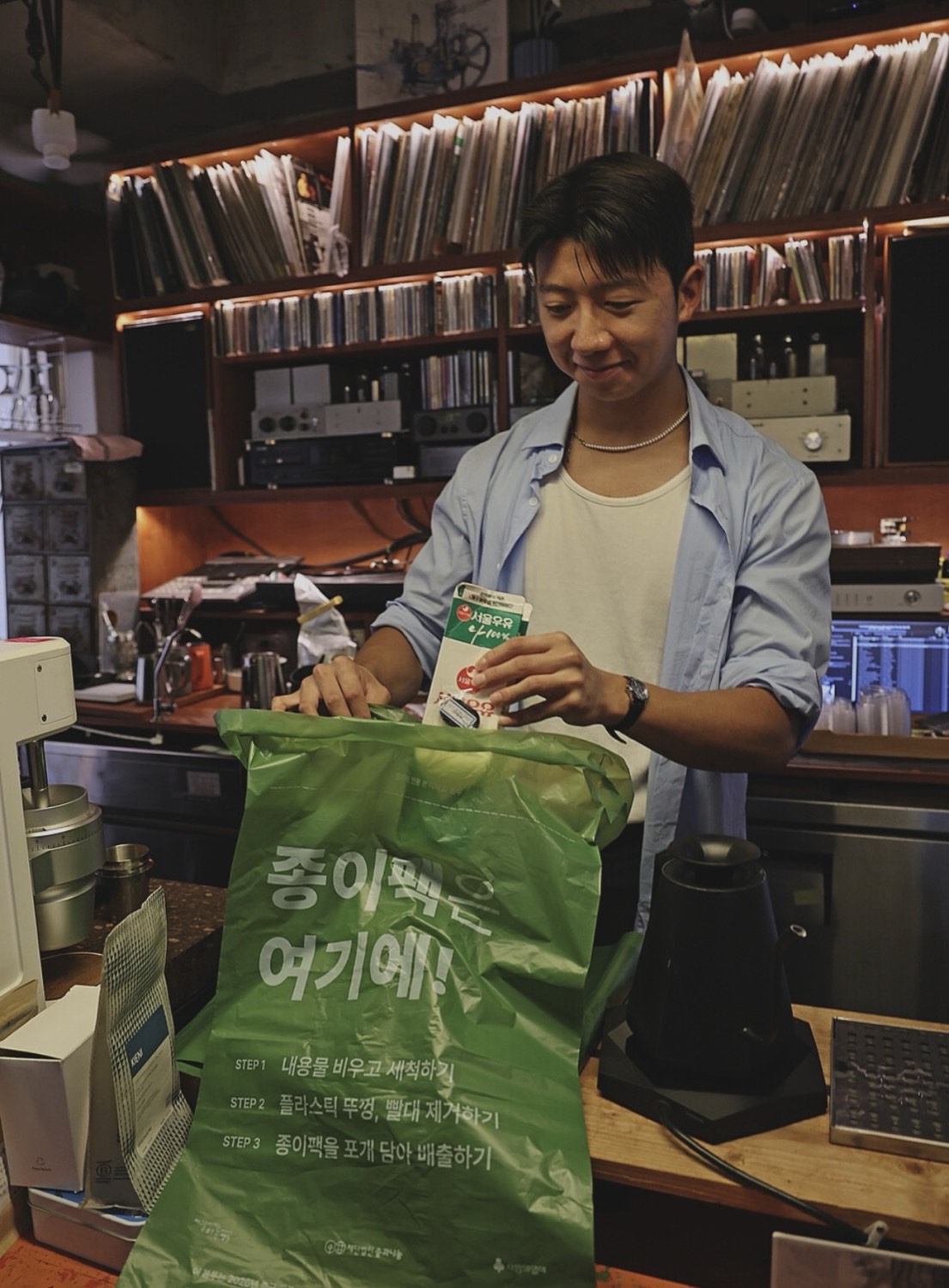
Empty and rinse, remove the cap and straw, flatten and set aside. Practised, not described.
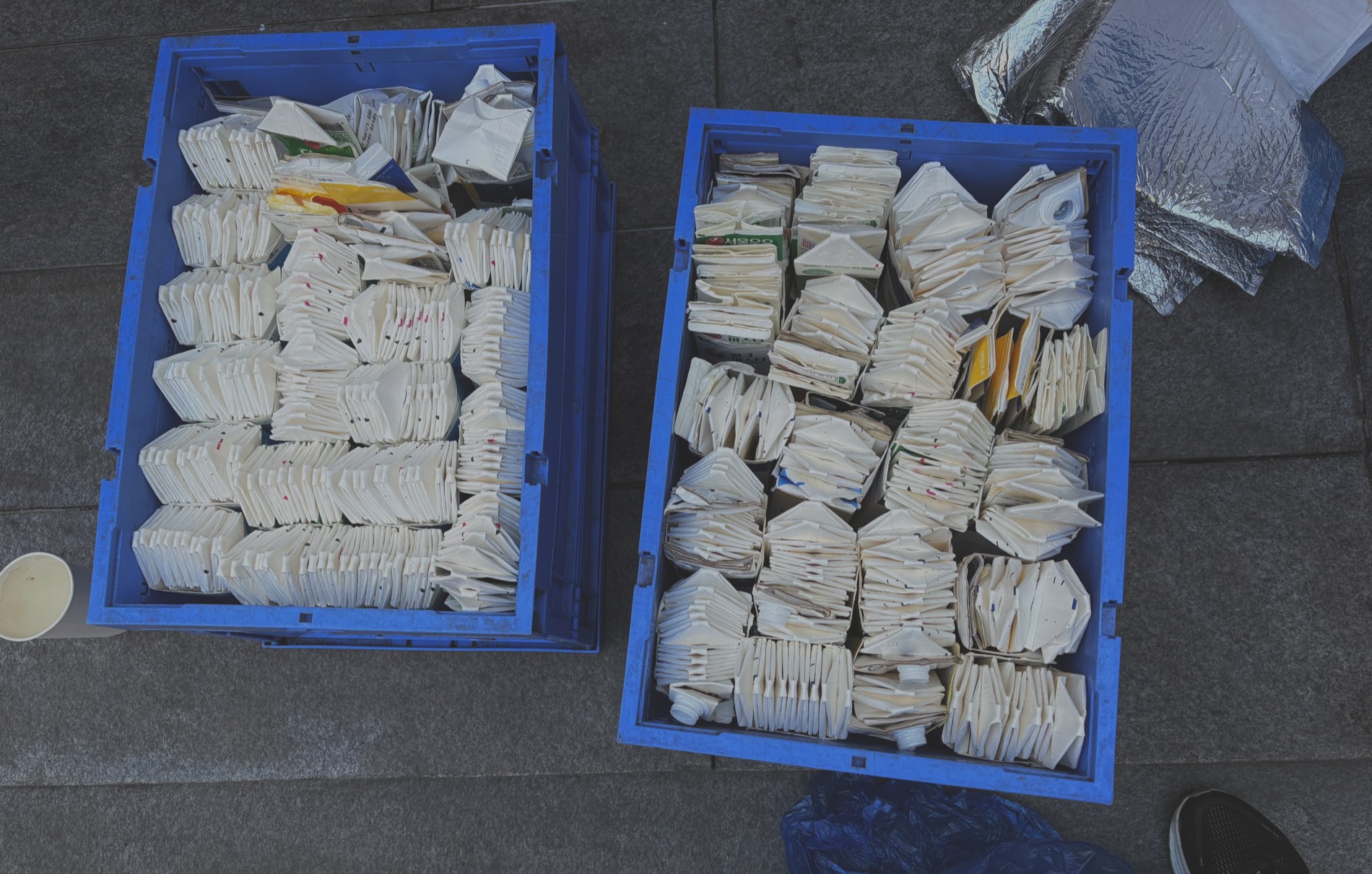
Step 3
The route from the counter to the sorting facility to the mill, and what comes back.
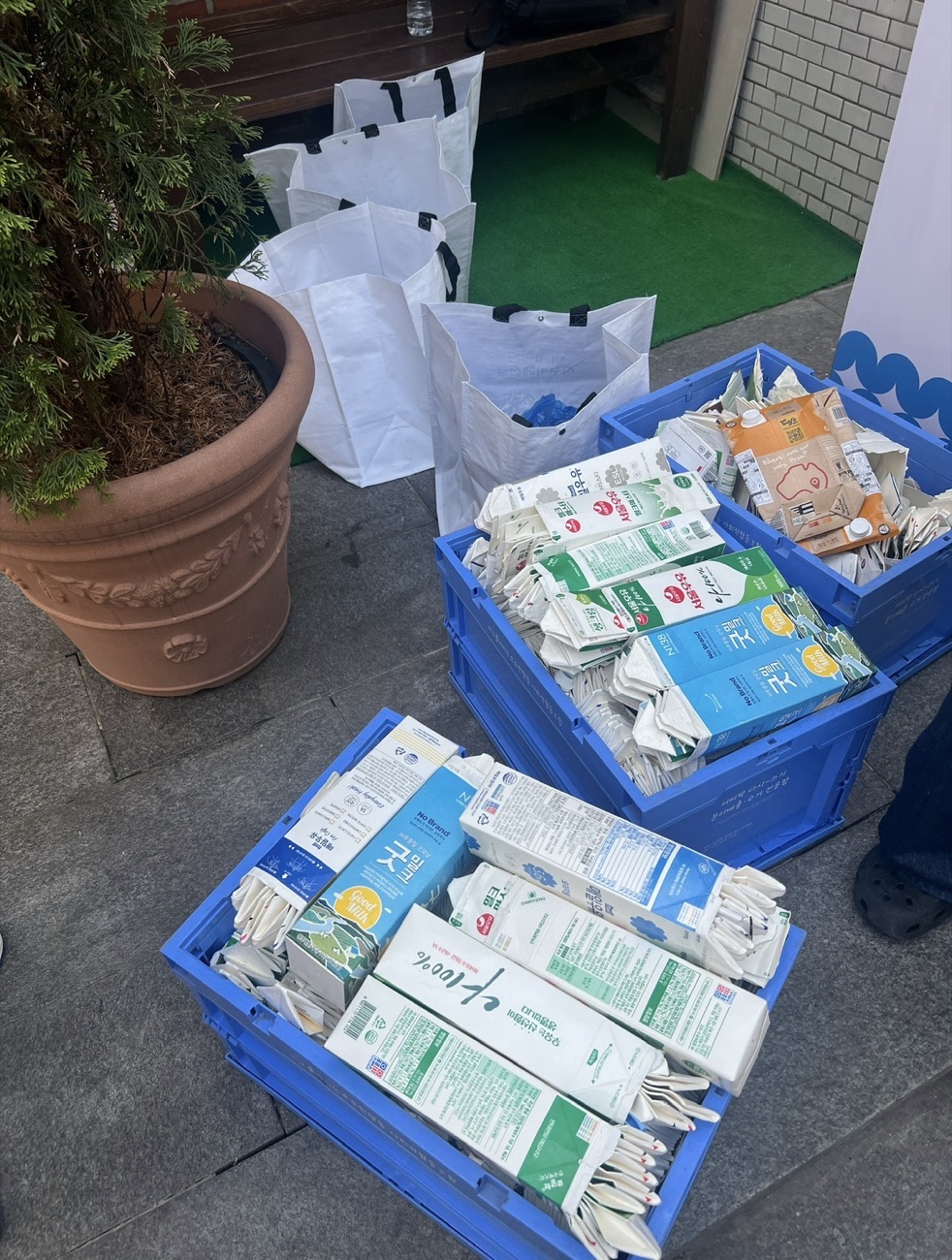
Step 4
The households the finished goods go back to, in the same district.
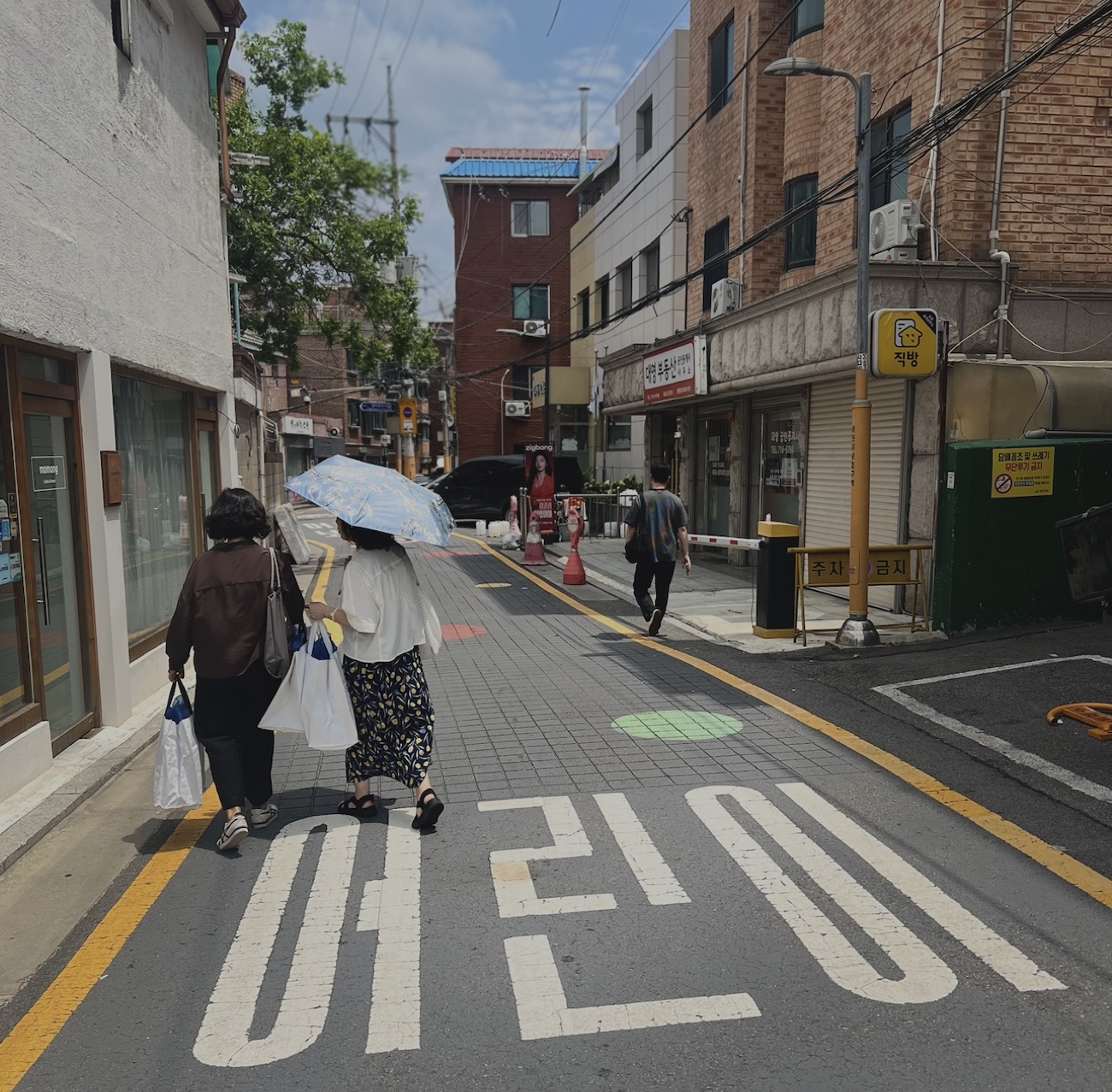
Mixed with paper. Thrown out with ordinary paper, a carton cannot be recycled. Few people are told how to sort it.
Nowhere to go. There is no dedicated bin, and public sorting facilities have no separate process, so cartons end up as residue.
A stalled market. Cheap imported pulp and weak demand for recycled goods stop collected cartons from being used again.
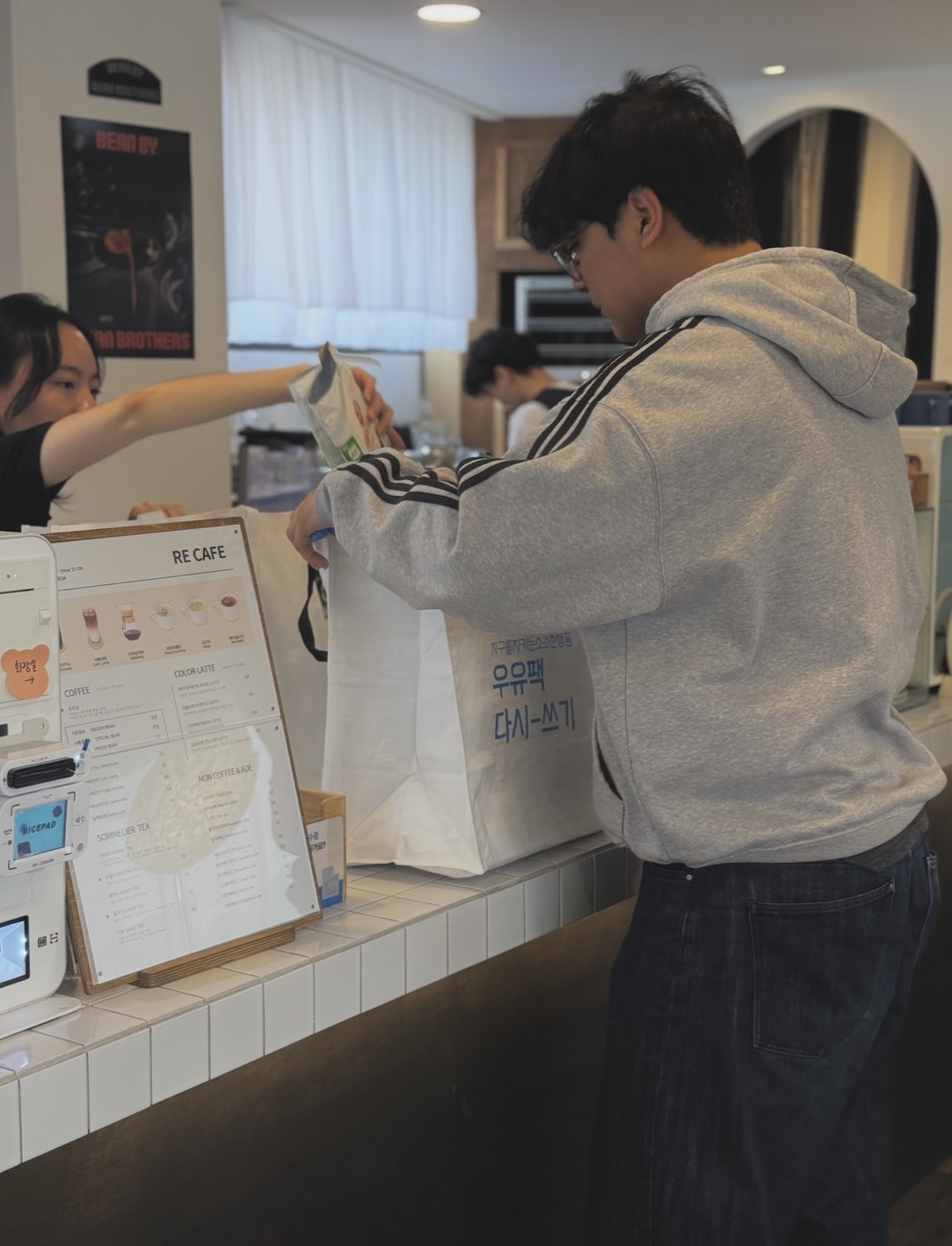
Sessions built around the group
Tell us who is coming
And how long we have